
Fall lawn and landscape maintenance is often misunderstood. As temperatures drop and summer colors fade, many homeowners assume their yard work is done for the year. In reality, fall is a crucial season for planting, pruning, fertilizing, and preparing your landscape to thrive in the months ahead.
Misconception 1: “Nothing Grows in Fall”
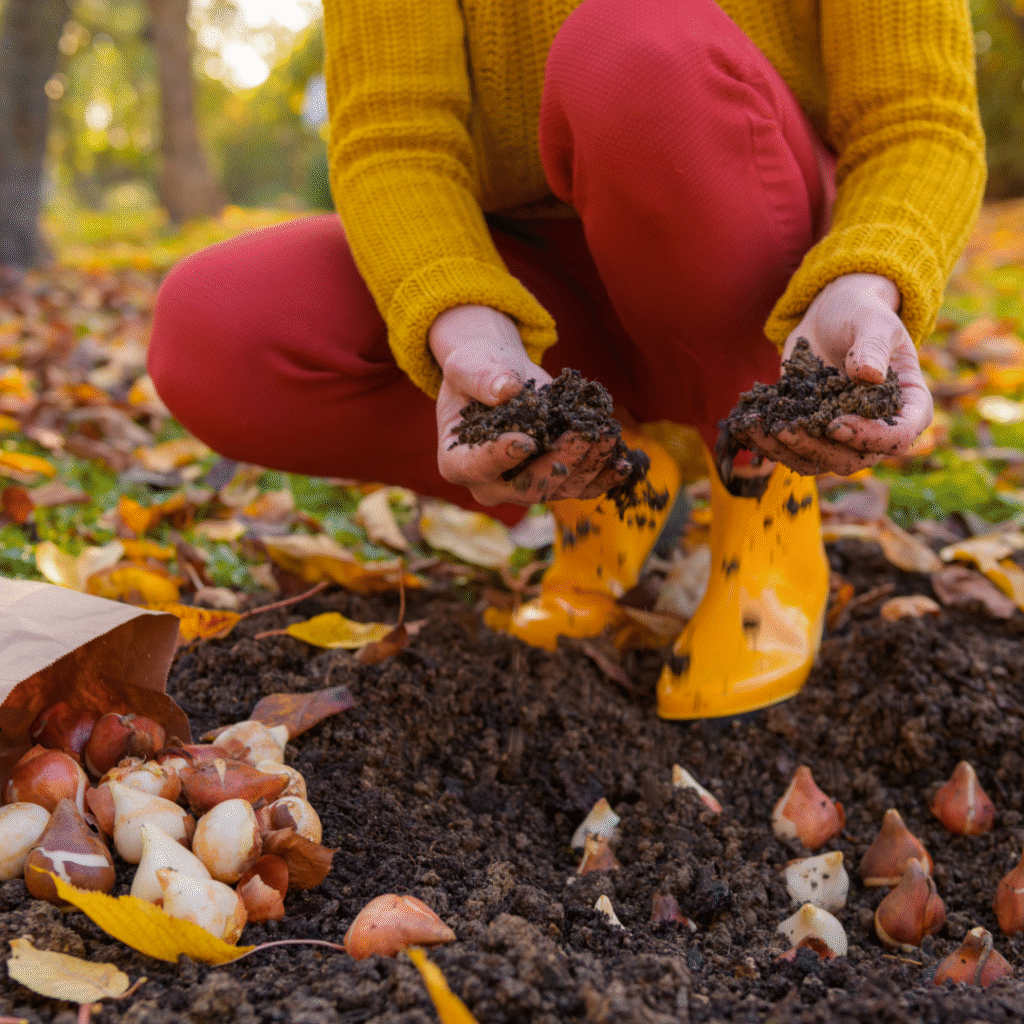
Many homeowners think fall is too late to plant anything, but this couldn’t be further from the truth. Cool-season grasses like fescues and bluegrass establish strong roots in the cooler soil, setting the stage for a lush lawn next spring. Hardy perennials and bulbs, such as tulips and daffodils, also benefit from fall planting, giving you beautiful blooms in early spring.
Misconception 2: “Wait Until Spring for Maintenance”
It’s a common belief that all pruning, aeration, and soil amendments should wait until spring. In reality, fall is often the best time for:
- Aeration and Overseeding: Relieves soil compaction, encourages root growth, and fills in thin areas of your lawn.
- Topdressing: Adds nutrients and improves soil structure before winter sets in.
- Pruning: Removing dead or diseased branches now prevents problems in spring and helps plants prepare for dormancy.
These steps maximize your yard’s health and reduce spring maintenance stress.
Misconception 3: “Fertilizing Isn’t Necessary in Fall”
Fall fertilization is crucial for lawns. Applying a slow-release fertilizer in early fall strengthens roots, improves nutrient reserves, and ensures a vibrant green lawn in spring. Skipping this step can leave your grass weak and more susceptible to winter damage.
Misconception 4: “Mulch and Leaves Can Wait”
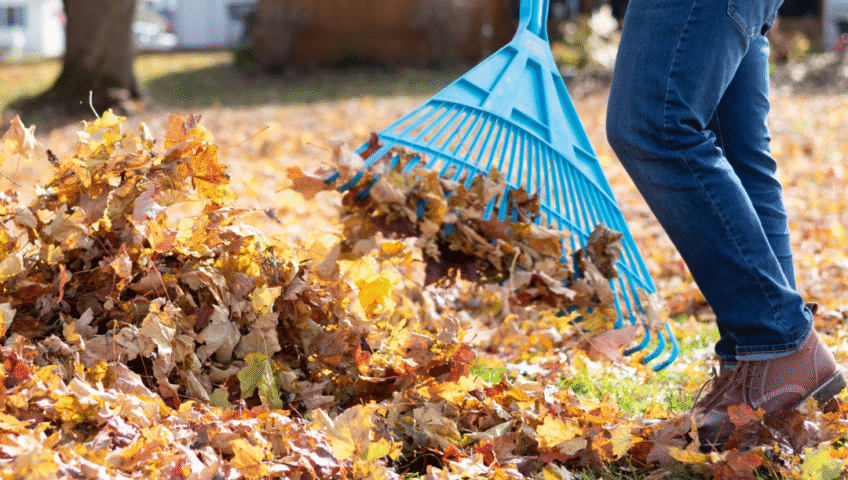
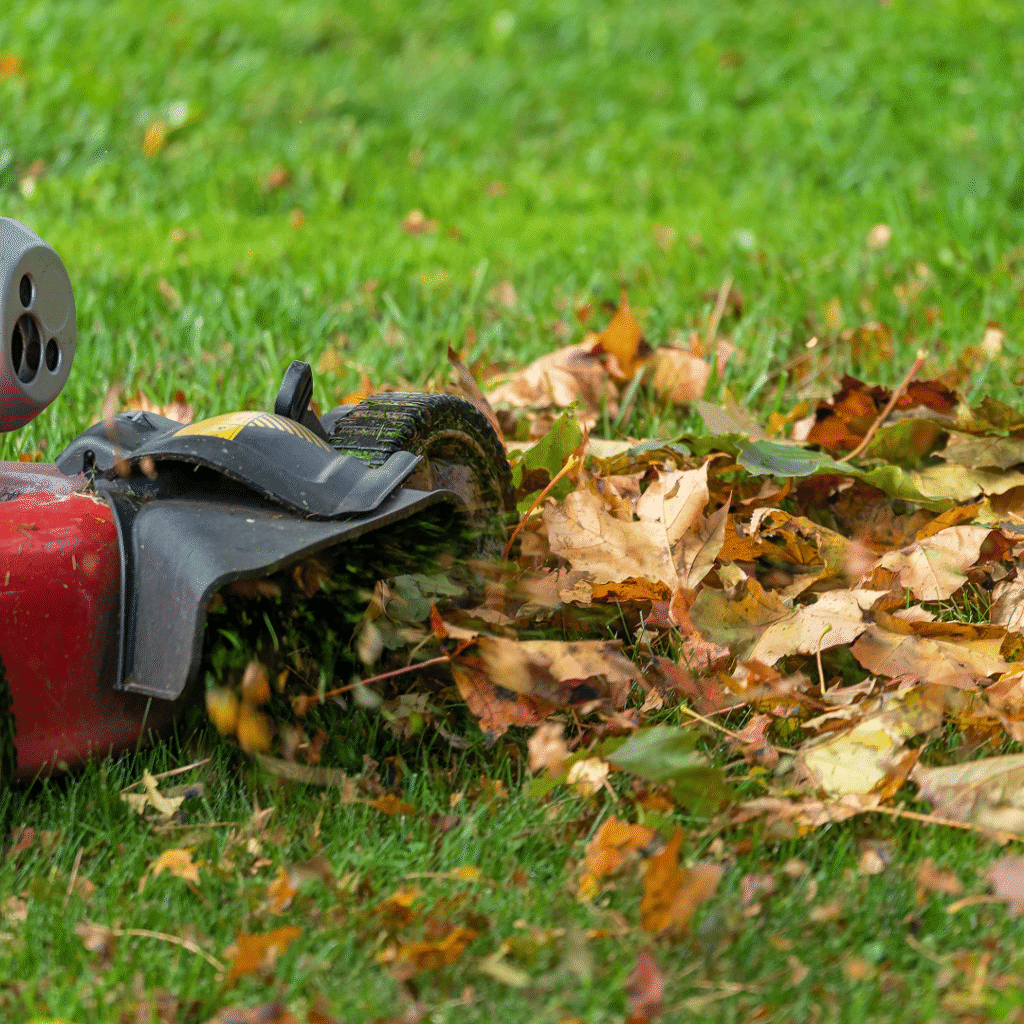
While it may seem harmless to let leaves pile up, proper leaf management in the fall protects your lawn and garden beds. Mulching leaves adds organic matter to the soil, helping retain moisture and insulate roots. Similarly, applying a fresh layer of mulch to garden beds prevents soil erosion and keeps plants healthy through winter.
Why Fall Matters
Fall is not the end of your landscaping year, it’s a season of preparation. With the right knowledge and timing, your lawn and garden can enter winter healthy and well-established, giving you a head start for spring growth.
Final Thoughts
Don’t let common misconceptions hold you back. From planting cool-season varieties to aeration, pruning, and fertilization, fall is a crucial time for maintaining a healthy, thriving yard. Planning and acting now will ensure your landscape looks its best for years to come.